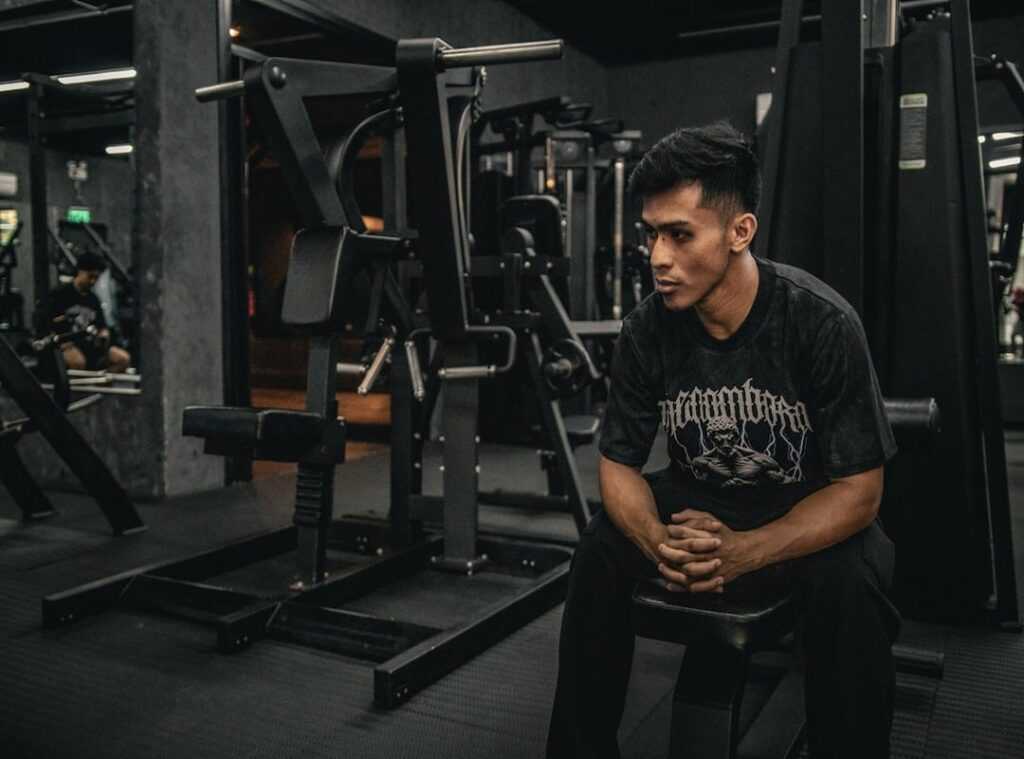
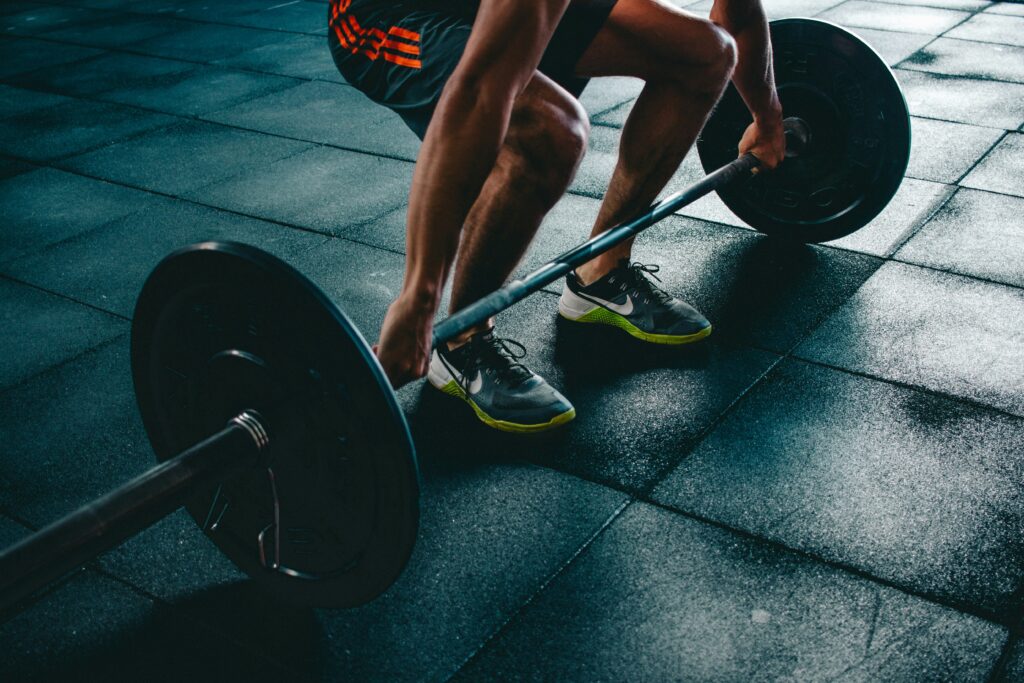
For years, gaming culture was often associated with long hours sitting indoors, unhealthy snacks, and a lack of physical activity. However, that stereotype has gradually changed. Modern gamers are becoming increasingly health-conscious, with many balancing gaming lifestyles alongside exercise routines, sports, and wellness habits.
The rise of esports, streaming culture, wearable technology, and fitness-focused gaming content has created a noticeable overlap between gaming and physical health. Whether players are enjoying competitive titles, streaming on platforms like Twitch, or even casually exploring blackjack gaming online on https://casino.draftkings.com/category/blackjack/ during their downtime, many are now paying closer attention to fitness and overall well-being than previous generations of gamers.
But is there actual data supporting this shift? The answer appears to be yes.
The Changing Image of the Modern Gamer
The image of gamers has evolved dramatically over the past decade. Gaming is now fully mainstream, with players spanning nearly every age group and lifestyle category.
According to industry reports from organisations like the Entertainment Software Association, the average gamer today is significantly older and more diverse than in previous decades. Many adult gamers now balance careers, fitness routines, and gaming as part of broader lifestyle habits.
At the same time, professional esports has changed public perceptions of competitive gaming. Top players increasingly approach gaming similarly to traditional athletes, focusing on:
- Nutrition
- Sleep schedules
- Mental health
- Physical exercise
This professionalisation has had a ripple effect throughout gaming culture.
Esports and Physical Performance
One of the biggest drivers behind gamers becoming more fitness-oriented is the growth of esports. Professional esports teams now employ:
- Fitness trainers
- Sports psychologists
- Nutritionists
- Physical therapists
Organisations such as Team Liquid and Fnatic have publicly discussed the importance of physical health in maintaining competitive performance.
Research has shown that exercise can improve:
- Reaction time
- Cognitive performance
- Focus and concentration
- Stress management
For esports players competing in high-pressure tournaments, these benefits are extremely valuable. Some teams even require players to participate in regular gym sessions or cardiovascular training as part of their contracts.
The Rise of Fitness Gaming
Fitness-focused video games have also played a major role in changing attitudes. Games such as Ring Fit Adventure, Just Dance and Beat Saber have successfully blended exercise with entertainment.
According to market research, fitness gaming saw significant growth during the early 2020s, particularly during pandemic lockdown periods when people sought home workout alternatives. Virtual reality gaming has further accelerated this trend. VR games often involve full-body movement, turning gaming sessions into surprisingly active experiences.
Studies measuring calorie expenditure in VR gaming found that some titles can provide activity levels similar to moderate exercise routines.
Streaming Culture and Fitness Influencers
Streaming platforms have also contributed to the growing connection between gaming and fitness.
Many popular streamers now openly discuss:
- Workout routines
- Mental health
- Healthy eating habits
- Posture and ergonomics
Some creators even combine gaming and fitness content directly. Fitness-focused gaming streamers have built audiences by sharing gym sessions alongside gaming streams, helping normalise healthier lifestyles within gaming communities.
This visibility has influenced younger audiences who increasingly view fitness and gaming as compatible rather than conflicting hobbies.
What is the Data Supporting this Shift?
Several surveys and reports suggest gamers are becoming more active than stereotypes imply.
A 2023 health and gaming survey conducted across North America and Europe found:
- Over 60% of gamers reported engaging in weekly exercise
- Nearly 40% said gaming motivated them to improve reaction time and physical performance
- Younger gamers were significantly more likely to combine fitness tracking apps with gaming habits
Wearable fitness devices such as the Apple Watch, Fitbit and even the Garmin Forerunner have also become increasingly common among gaming audiences.
Additionally, the global gaming chair and ergonomic equipment market has grown substantially, reflecting increased awareness around posture and physical comfort.
Mental Health Awareness in Gaming
Another major factor behind the fitness trend is mental health awareness. Long gaming sessions can contribute to:
- Fatigue
- Stress
- Poor posture
- Sleep disruption
As awareness of these issues has grown, many gamers have adopted healthier routines to maintain balance.
Exercise is now commonly discussed within gaming communities as a way to:
- Reduce stress
- Improve mood
- Prevent burnout
This has helped reshape conversations around health within gaming culture.
Competitive Gaming and Athletic Training
The comparison between esports players and traditional athletes has become increasingly common.
Professional gamers often train for:
- 8–12 hours per day
- Major international tournaments
- Sponsorship obligations
- Media appearances
To maintain performance under these conditions, many players now incorporate structured fitness programs. Research from sports science institutions has suggested that regular physical activity may improve:
- Hand-eye coordination
- Reflex speed
- Decision-making under pressure
This scientific connection between physical fitness and gaming performance has further encouraged healthier habits among competitive players.
Social Media and Lifestyle Branding
Gaming personalities today are often lifestyle influencers as much as entertainers. Platforms like Instagram, TikTok and YouTube have allowed creators to showcase fitness routines alongside gaming content.
This crossover has made wellness culture more visible within gaming communities and helped break down outdated stereotypes.
Remaining Challenges
Despite positive trends, challenges still remain. Excessive gaming can still contribute to:
- Sedentary behaviour
- Poor sleep patterns
- Eye strain
- Repetitive strain injuries
Balancing gaming and physical health remains important, particularly for younger audiences who spend significant time online.
Experts generally recommend:
- Regular movement breaks
- Stretching exercises
- Proper ergonomic setups
- Outdoor activity alongside gaming
The stereotype of gamers as inactive or disconnected from fitness no longer reflects reality for much of the gaming community. As esports grows, streaming culture evolves, and health awareness increases, many gamers are actively embracing fitness and wellness as part of their daily lives.
From professional esports athletes to casual VR fitness players, the connection between gaming and physical health has become far stronger than many people realise. While challenges still exist, the data suggests that modern gaming culture is increasingly aligned with healthier and more balanced lifestyles.
 James Rossmarindez writes the kind of holistic wellness strategies content that people actually send to each other. Not because it's flashy or controversial, but because it's the sort of thing where you read it and immediately think of three people who need to see it. James has a talent for identifying the questions that a lot of people have but haven't quite figured out how to articulate yet — and then answering them properly.
They covers a lot of ground: Holistic Wellness Strategies, Pro Insights, Health Innovation Alerts, and plenty of adjacent territory that doesn't always get treated with the same seriousness. The consistency across all of it is a certain kind of respect for the reader. James doesn't assume people are stupid, and they doesn't assume they know everything either. They writes for someone who is genuinely trying to figure something out — because that's usually who's actually reading. That assumption shapes everything from how they structures an explanation to how much background they includes before getting to the point.
Beyond the practical stuff, there's something in James's writing that reflects a real investment in the subject — not performed enthusiasm, but the kind of sustained interest that produces insight over time. They has been paying attention to holistic wellness strategies long enough that they notices things a more casual observer would miss. That depth shows up in the work in ways that are hard to fake.
James Rossmarindez writes the kind of holistic wellness strategies content that people actually send to each other. Not because it's flashy or controversial, but because it's the sort of thing where you read it and immediately think of three people who need to see it. James has a talent for identifying the questions that a lot of people have but haven't quite figured out how to articulate yet — and then answering them properly.
They covers a lot of ground: Holistic Wellness Strategies, Pro Insights, Health Innovation Alerts, and plenty of adjacent territory that doesn't always get treated with the same seriousness. The consistency across all of it is a certain kind of respect for the reader. James doesn't assume people are stupid, and they doesn't assume they know everything either. They writes for someone who is genuinely trying to figure something out — because that's usually who's actually reading. That assumption shapes everything from how they structures an explanation to how much background they includes before getting to the point.
Beyond the practical stuff, there's something in James's writing that reflects a real investment in the subject — not performed enthusiasm, but the kind of sustained interest that produces insight over time. They has been paying attention to holistic wellness strategies long enough that they notices things a more casual observer would miss. That depth shows up in the work in ways that are hard to fake.