

Wins and losses tell only a fraction of the story. If you’re searching for a deeper way to evaluate coaching impact, this article goes beyond the scoreboard to uncover what truly defines greatness. Judging a coach solely by victories overlooks the lasting influence they have on athlete development, resilience, and team culture. Drawing on years of performance science analysis and holistic training principles, we break down the elite coach performance criteria that actually matter. From tactical innovation to psychological growth and sustainable systems, you’ll gain clear, actionable benchmarks to assess a coach’s real value and long-term impact.
Criterion 1: Tactical and Technical Acumen
When evaluating coaching impact, tactical intelligence is often the flashpoint of debate. Some argue that talent wins games and systems are overrated (“just roll the ball out and let the stars cook”). But in elite leagues—from Friday night lights in Texas to EuroLeague hardwood chess matches—structure separates contenders from highlight reels.
Strategic Innovation asks whether a coach designs adaptable systems that exploit matchups and league trends. This could mean integrating positionless spacing concepts borrowed from modern NBA offenses or implementing hybrid zone presses popular in top-tier collegiate programs. Innovation isn’t gimmickry; it’s calculated advantage. In performance analysis terms, this aligns with competitive differentiation—a measurable edge in efficiency ratings or defensive stops per possession.
In-Game Decision Making is where theory meets chaos. Critics sometimes claim timeouts are overrated or that momentum is mythical. Yet data from the NBA’s Last Two Minute Reports shows situational adjustments materially impact outcomes (NBA.com). Effective coaches manage:
- Timeout sequencing to halt scoring runs.
- Substitution patterns based on load management metrics.
- Tactical shifts—switching from drop coverage to aggressive hedging, for example.
Pro tip: Track after-timeout efficiency (ATO plays). It’s one of the clearest indicators of sideline precision.
Systematic Skill Development evaluates whether training programs are progressive and individualized. Are mobility blocks integrated before high-intensity drills? Are athletes improving measurable KPIs like sprint splits or shooting percentages? Structured microcycles—common in high-performance European academies—often outperform ad-hoc sessions.
Skeptics may say systems restrict creativity. In reality, disciplined frameworks free athletes to improvise effectively—like jazz musicians who mastered scales first.
Within elite coach performance criteria, tactical and technical acumen remains the backbone of sustained competitive success.
Criterion 2: Holistic Athlete Development
In addition to physical prowess and mental resilience, elite coaches often prioritize an athlete’s commitment to nutrition, a factor that directly correlates with their performance and aligns with effective strategies for whole-body wellness – for more details, check out our Nutrition Timing Strategies for Whole-Body Wellness.
Most people think great coaching is about winning seasons. That’s shortsighted. True development is measured in who the athlete becomes, not just the scoreboard.
Long-Term Player Growth means sustained, measurable progress over years. Talent is potential; development is realized capability. A coach who chases quick wins often burns through athletes (and their confidence). Instead, look for year-over-year improvements in:
- Game intelligence (decision-making speed and accuracy)
- Technical refinement under fatigue
- Leadership and communication on the field
If an athlete peaks early and plateaus, something’s broken. Research in long-term athlete development models shows progressive skill layering outperforms early specialization for sustained excellence (Balyi & Hamilton, 2004). That’s not flashy—but it works.
Emphasis on Health and Durability is where many programs get it wrong. Pushing harder isn’t the same as training smarter. Load management (strategically adjusting intensity and volume) reduces overuse injury risk, while mobility optimization improves joint function and force transfer. According to the British Journal of Sports Medicine, structured injury-prevention programs can reduce injury rates by up to 50% (Lauersen et al., 2014).
Yet some argue “toughness” means grinding through pain. That mindset shortens careers. Durability is a performance multiplier, not a luxury.
Building Mental Fortitude goes beyond motivational speeches. It includes pressure simulation drills, breath-control protocols, and post-performance reflection systems. Resilience isn’t genetic; it’s trained.
Contrary to popular belief, mindset work isn’t “soft.” It’s infrastructure. When pressure hits, preparation shows.
This is the standard embedded in elite coach performance criteria—develop the whole athlete, not just the highlight reel.
(Pro tip: Track development in 12-week cycles to reveal real progress, not emotional impressions.)
Criterion 3: Leadership and Culture Cultivation
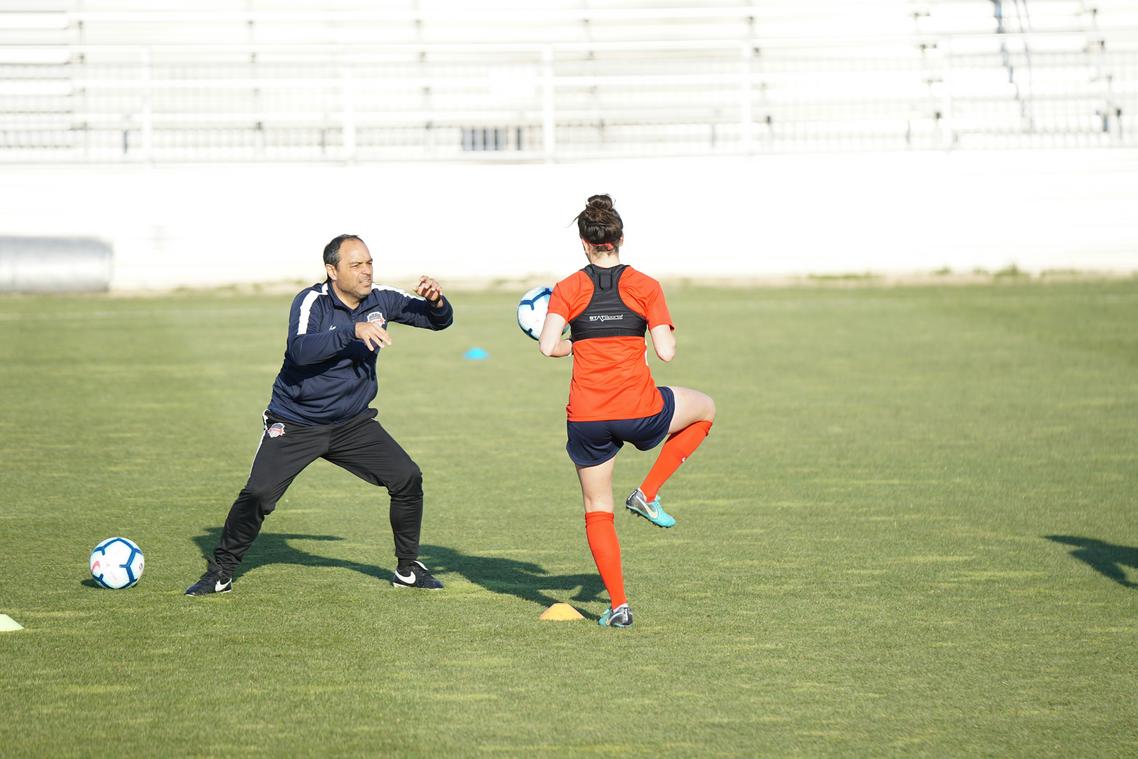
A high-performance culture isn’t an accident. You can feel it the moment you step into the facility—the sharp squeak of sneakers on hardwood, the rhythmic thud of medicine balls, the quiet focus between reps. Creating a High-Performance Culture means building a team identity rooted in accountability, discipline, and shared vision. Athletes should sense that they’re competing for one another, not just for stat lines (because ego-driven teams crack under pressure). Some argue talent alone wins championships. Yet history—from the Spurs’ dynasty to Olympic relay squads—shows culture sustains excellence (Smith & Smoll, 2007).
Clarity and Communication define whether strategy lives on paper or on the field. Great coaches translate complex systems into simple cues athletes can hear over roaring crowds. Feedback should be specific and actionable—“drive through the floor,” not “try harder.” Managing diverse personalities requires emotional intelligence, a core element of elite coach performance criteria.
Finally, Leading the Entire Program means orchestrating staff like a symphony—trainers, analysts, assistants moving in sync. Empowered staff create consistent messaging and measurable progress. That’s why embracing data driven training using metrics to improve results strengthens alignment and accountability across the entire performance team.
Criterion 4: Data-Driven Performance Indicators
Under elite coach performance criteria, numbers tell the story that highlights grit alone cannot. Player Improvement Metrics track measurable growth—shooting percentage gains, sprint speed drops, reaction-time refinement (yes, milliseconds matter). Some argue stats ignore intangibles like leadership or locker-room chemistry. Fair. But without baselines and longitudinal tracking—meaning performance measured consistently over time—you’re guessing, not coaching.
Team Efficiency Ratings go deeper than the scoreboard. Points per possession (offensive output per trip), defensive efficiency, and turnover differential expose system strength. While competitors stop at wins and losses, true evaluation isolates process from outcome—because great systems win even before the scoreboard shows it.
A 360-Degree View of Coaching Excellence
You set out to understand what truly defines coaching greatness—and now you have a clearer lens. Wins and losses only tell part of the story, and relying on them alone can distort how we judge impact. The real difference shows up in strategy, player development, leadership presence, and the culture built behind the scenes.
By applying these elite coach performance criteria, you move beyond surface-level stats and start identifying the leaders who create lasting success.
Don’t settle for incomplete evaluations. Use this framework to guide smarter conversations, make better decisions, and recognize the coaches who build sustainable excellence from the inside out.
 Ask Zyvaris Vasslor how they got into holistic wellness strategies and you'll probably get a longer answer than you expected. The short version: Zyvaris started doing it, got genuinely hooked, and at some point realized they had accumulated enough hard-won knowledge that it would be a waste not to share it. So they started writing.
What makes Zyvaris worth reading is that they skips the obvious stuff. Nobody needs another surface-level take on Holistic Wellness Strategies, Daily Workout Efficiency Hacks, ZayePro Mobility Optimization. What readers actually want is the nuance — the part that only becomes clear after you've made a few mistakes and figured out why. That's the territory Zyvaris operates in. The writing is direct, occasionally blunt, and always built around what's actually true rather than what sounds good in an article. They has little patience for filler, which means they's pieces tend to be denser with real information than the average post on the same subject.
Zyvaris doesn't write to impress anyone. They writes because they has things to say that they genuinely thinks people should hear. That motivation — basic as it sounds — produces something noticeably different from content written for clicks or word count. Readers pick up on it. The comments on Zyvaris's work tend to reflect that.
Ask Zyvaris Vasslor how they got into holistic wellness strategies and you'll probably get a longer answer than you expected. The short version: Zyvaris started doing it, got genuinely hooked, and at some point realized they had accumulated enough hard-won knowledge that it would be a waste not to share it. So they started writing.
What makes Zyvaris worth reading is that they skips the obvious stuff. Nobody needs another surface-level take on Holistic Wellness Strategies, Daily Workout Efficiency Hacks, ZayePro Mobility Optimization. What readers actually want is the nuance — the part that only becomes clear after you've made a few mistakes and figured out why. That's the territory Zyvaris operates in. The writing is direct, occasionally blunt, and always built around what's actually true rather than what sounds good in an article. They has little patience for filler, which means they's pieces tend to be denser with real information than the average post on the same subject.
Zyvaris doesn't write to impress anyone. They writes because they has things to say that they genuinely thinks people should hear. That motivation — basic as it sounds — produces something noticeably different from content written for clicks or word count. Readers pick up on it. The comments on Zyvaris's work tend to reflect that.