
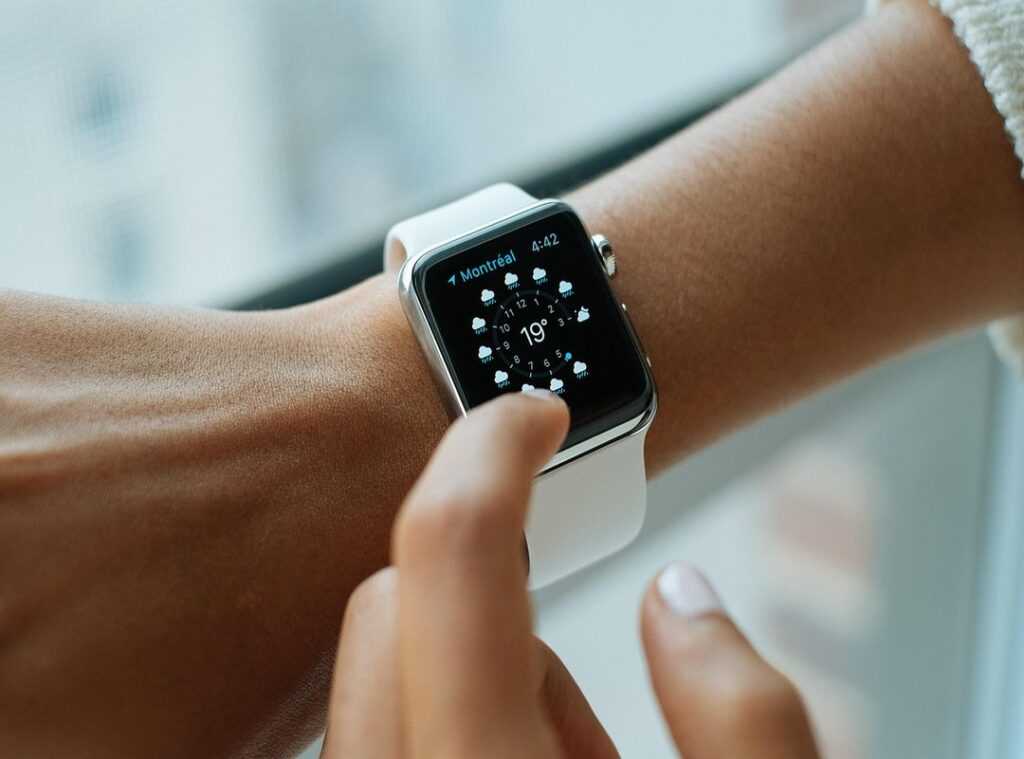
You’re probably wearing a smart watch or ring right now, right? But if you’re like most folks, maybe it’s just a glorified step counter. The problem isn’t the tech itself.
It’s making sense of all that health data to improve your energy, sleep, and overall well-being.
I’ve been deep in the world of wearable health devices, cutting through the noise to see what actually works. There’s so much hype, but not everything delivers on its promise. You deserve clear, straightforward guidance.
This is where I come in. I’m going to demystify wearable wellness technology for you. By the end of this article, you’ll have a clear, actionable picture of your health.
You’ll know exactly how to use these devices to genuinely boost your well-being. Ready to get started?
Beyond the Buzzwords: Decoding Wearable Wellness Tech
Let’s cut through the noise. Wearable health devices aren’t just about tracking steps anymore. Remember those clunky pedometers? They’ve evolved into sophisticated health monitors that keep an eye on you 24/7.
But what is wearable wellness technology, really? These devices have moved past just counting your steps or logging your miles. Now, they’re monitoring your sleep, stress levels, and even metabolic health.
It’s like having a health coach on your wrist (or finger, or wherever you decide to strap one on).
Fitness and wellness aren’t the same. Fitness is your workouts and steps. Wellness is the whole picture.
Think of it like comparing a car’s speedometer to the full diagnostic dashboard. A basic step counter tells you speed, but modern wellness tech? It checks everything (fuel) efficiency (metabolism), engine strain (recovery), and when you need maintenance (rest).
Don’t just think watches. Sure, they’re popular, but there’s more out there. Smart rings like the Oura, sensor patches, and continuous glucose monitors (CGMs) expand the category.
These innovations provide takeaways into your health like never before.
If you’re interested in where this technology is heading, check out telehealth trends expanding access care. It’s amazing how these devices integrate with broader health trends.
So, wearable wellness tech isn’t just a trend. It’s a revolution in how we manage health.
Your Health: It’s More Than Just Steps
Let’s talk about what really matters in health. Sure, counting steps is neat. But it’s just scratching the surface.
Sleep, my friend, is where the magic happens. Total sleep time is like counting the hours of a Netflix binge without checking if you actually watched anything good. What’s key is the quality of those Z’s.
Deep sleep helps with physical repair. REM? That’s your mind’s reset button.
Wearables do more than just tell you how long you slept. They dive into sleep stages. (Think of it as a backstage pass to your snooze concert.) Pro tip: Reduce screen time before bed. It works wonders for deep sleep.
Now, let’s demystify Heart Rate Variability (HRV). It’s not some cryptic voodoo. It’s your body’s “readiness score” for stress.
A higher HRV means you’re ready to tackle life’s curveballs. And those wearable health devices have made tracking this as easy as pie. Seriously, it’s like knowing how charged your phone is before you even pick it up.
Mobility and movement quality? They matter too. Some devices go beyond tracking your jogs.
They nudge you when you’re slacking off. (I mean, who doesn’t need a gentle nudge to get off the couch?) They even give takeaways into how efficiently you move. This isn’t just step counting. It’s about understanding how your body dances through life.
And hey, the future looks pretty wild. Metabolic health is gaining all the buzz. Continuous Glucose Monitors (CGMs) are becoming mainstream, giving real-time feedback on food’s impact on energy levels.
It’s like having a mini health guru on your wrist.
So, let’s stop reducing health to step counts. Dive deeper. Because your health deserves the full 360-degree view.
Data Decoded: Make Sense of Your Metrics
I get it. You’re swimming in data from your wearable health devices. You think, “I have all this data, now what?” That’s the right question.

The ‘so what’ is key if we’re trying to figure out what those numbers actually mean for you.
Take Resting Heart Rate (RHR). If you see a steady downward trend, that’s a solid indicator. Your cardiovascular health is likely improving.
But if it’s trending up, it could be stress, poor sleep, or maybe overtraining. It’s your call if you need to tweak your routine or lifestyle. Adjust as needed.
Next, Heart Rate Variability (HRV). Consistently low HRV isn’t just a stat. It’s your body’s way of saying it needs a break.
If today’s HRV is a lot lower, swap that hardcore workout with yoga or even just a walk. You don’t have to be a hero every day.
And let’s talk sleep. Sleep Consistency is massively underrated. If your scores are low because your bedtime bounces around, set a steady sleep/wake schedule.
Yes, even on weekends. This isn’t about perfect numbers. It’s watching trends to understand your body’s patterns.
The goal isn’t to chase perfect numbers daily. You’re observing trends over time. Patterns reveal what your body needs.
It’s about being proactive, not reactive.
Want to dive deeper? Check this guide to see how personalized medicine is revolutionizing treatments. Understanding these metrics will turn that overwhelming data into real, actionable takeaways.
How cool is that?
Finding Your Perfect Wearable: A Practical Guide
Choosing wearable health devices can feel like dating. You’re looking for the right fit, something that gets you. But how do you know which one is “the one”?
Let’s break it down by goals.
First up, the dedicated athlete. You know who you are. You need features like advanced GPS and VO2 max tracking.
Battery life is key. Imagine halfway through a marathon, and your watch dies. That’s a nightmare.
You want something that keeps up with you.
Then there’s the complete health optimizer. Sleep tracking and HRV monitoring should be top-notch. You might prefer something sleek, like a ring, for 24/7 comfort. (Who wants to wear a chunky watch to bed?) It’s all about tracking every moment without feeling it.
A gentle nudge to breathe deeply in the middle of a hectic day? Yes, please. Mindfulness reminders are a cherry on top.
Now, let’s talk about the busy professional focused on stress. Real-time stress tracking is a must. Devices with guided breathing exercises can be lifesavers.
For beginners building habits, simplicity is key. You don’t need a device that looks like a spaceship. Find something user-friendly with motivational features.
Community challenges can be fun. The goal? Consistency over data overload.
Finally, consider the space. How does the device’s app integrate with others you use? If it doesn’t play nice, it might not be worth it.
Integration can make or break the experience.
So, what’s your goal? Find that match and make it count.
Time to Tune In
Ever felt like your wearable health devices are just adding to the noise? Me too. But here’s the deal: they become game-changers when you start actively listening to the signals they pick up.
It’s not just about hoarding data. By focusing on sleep quality, recovery scores, and resting heart rate, you can make smart choices that actually improve your health.
This week, try something simple. Choose one metric. Just watch it, no pressure.
What will you discover? That’s the beginning of meaningful change. Ready to tune in and take control?
Dive in today and see the difference. Don’t wait. Take action.
 Ask Zyvaris Vasslor how they got into holistic wellness strategies and you'll probably get a longer answer than you expected. The short version: Zyvaris started doing it, got genuinely hooked, and at some point realized they had accumulated enough hard-won knowledge that it would be a waste not to share it. So they started writing.
What makes Zyvaris worth reading is that they skips the obvious stuff. Nobody needs another surface-level take on Holistic Wellness Strategies, Daily Workout Efficiency Hacks, ZayePro Mobility Optimization. What readers actually want is the nuance — the part that only becomes clear after you've made a few mistakes and figured out why. That's the territory Zyvaris operates in. The writing is direct, occasionally blunt, and always built around what's actually true rather than what sounds good in an article. They has little patience for filler, which means they's pieces tend to be denser with real information than the average post on the same subject.
Zyvaris doesn't write to impress anyone. They writes because they has things to say that they genuinely thinks people should hear. That motivation — basic as it sounds — produces something noticeably different from content written for clicks or word count. Readers pick up on it. The comments on Zyvaris's work tend to reflect that.
Ask Zyvaris Vasslor how they got into holistic wellness strategies and you'll probably get a longer answer than you expected. The short version: Zyvaris started doing it, got genuinely hooked, and at some point realized they had accumulated enough hard-won knowledge that it would be a waste not to share it. So they started writing.
What makes Zyvaris worth reading is that they skips the obvious stuff. Nobody needs another surface-level take on Holistic Wellness Strategies, Daily Workout Efficiency Hacks, ZayePro Mobility Optimization. What readers actually want is the nuance — the part that only becomes clear after you've made a few mistakes and figured out why. That's the territory Zyvaris operates in. The writing is direct, occasionally blunt, and always built around what's actually true rather than what sounds good in an article. They has little patience for filler, which means they's pieces tend to be denser with real information than the average post on the same subject.
Zyvaris doesn't write to impress anyone. They writes because they has things to say that they genuinely thinks people should hear. That motivation — basic as it sounds — produces something noticeably different from content written for clicks or word count. Readers pick up on it. The comments on Zyvaris's work tend to reflect that.