Trend 1: Hyper-Personalization Fueled by AI
A few years ago—think back to 2019—most fitness apps handed you a templated plan and called it “custom.” Same workouts. Same calorie targets. Different name at the top.
Today, that model feels as outdated as a flip phone.
Beyond Generic Plans
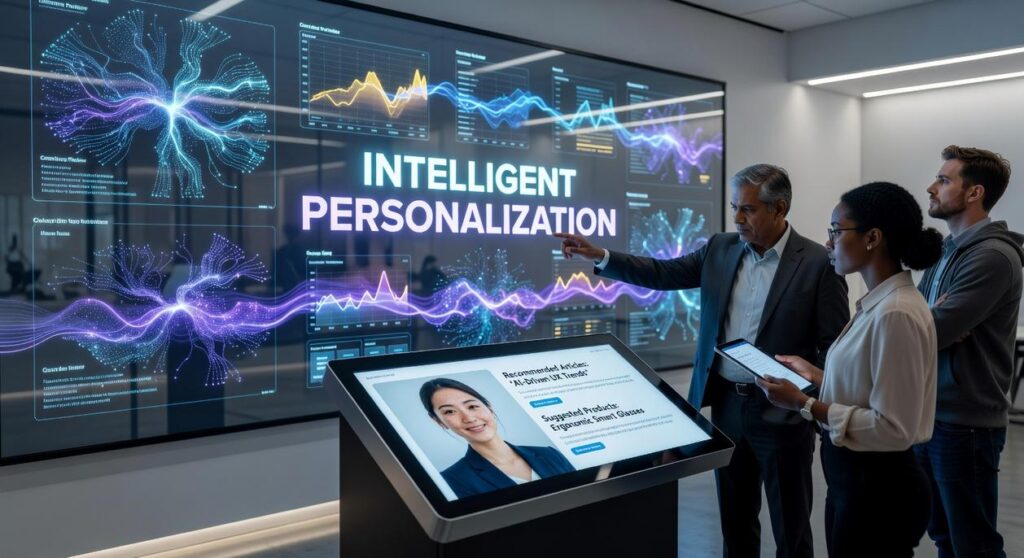
Hyper-personalization means AI (artificial intelligence that learns patterns from data) builds plans around you, not the average user. Instead of a static 12-week split, algorithms analyze your recovery speed, workout history, and even motivation dips. After three months of consistent tracking, the system doesn’t just know your PR—it recognizes when you’re likely to stall (before you do).
Some critics argue this is overkill. “Do we really need AI to tell us to squat and eat protein?” Fair question. But research shows personalized feedback improves adherence and outcomes compared to generic guidance (American College of Sports Medicine, 2023). In other words, nuance matters.
Real-Time Adaptation
Now here’s where it gets interesting. AI platforms adjust daily programming based on sleep scores, HRV (heart rate variability, a recovery metric), stress markers, and nutrition logs. Slept five hours? It might pivot from heavy deadlifts to mobility work. High stress week? Volume decreases automatically. (Your old PDF plan never did that.)
The Data Ecosystem
Wearables, smart scales, lab results, and user feedback sync into one evolving profile. This integrated system—central to health technology trends 2026—creates what’s essentially a living dashboard of your physiology.
Practical Application
Eventually, this becomes a “digital twin”: a virtual model predicting plateaus, nutrient gaps, or overtraining before symptoms hit. Pro tip: the more consistently you log data, the smarter the twin becomes.
It’s less like following a coach’s script—and more like having Jarvis quietly optimizing your health behind the scenes.
Trend 2: The Evolution of Wearables into Proactive Health Monitors
For years, wearables have been glorified step counters. Helpful? Sure. Revolutionary? Not exactly. But that’s changing fast.
We’re now seeing a shift from tracking to intervention. In simple terms, devices are moving from passively collecting data (like steps or heart rate) to actively prompting real-time action. Instead of telling you what happened, they guide what to do next.
Some critics argue this is overkill—do we really need alerts for everything? It’s a fair concern. Too many notifications can create anxiety (or get ignored like that “drink water” reminder you swiped away). But when designed well, proactive alerts can flag early warning signs before symptoms escalate. That’s not noise—that’s prevention.
Key Technologies to Watch
Non-Invasive Monitoring
Continuous Glucose Monitors (CGMs) track blood sugar levels throughout the day without finger pricks. Originally built for diabetes care, consumer-grade CGMs are now used for metabolic optimization—helping users understand how food, sleep, and exercise impact energy. Lactate threshold sensors measure when your body shifts from aerobic to anaerobic effort (that burning feeling during sprints), optimizing training intensity.
Advanced Biometrics
Sensors now measure electrodermal activity (tiny changes in skin conductivity linked to stress), hydration fluctuations, skin temperature, and respiratory rate. Subtle deviations in these metrics can indicate early illness—research during COVID-19 showed wearables could detect infection days before symptoms (Nature Medicine, 2020).
The “Smart Patch” Revolution
Unlike wrist-based trackers, flexible adhesive patches sit closer to key muscle groups or the torso. This improves signal accuracy for movement analysis and metabolic tracking. Think less smartwatch, more high-performance biosensor (Iron Man arc reactor energy, minus the glow).
These shifts reflect broader health technology trends 2026, where personalization and prevention take center stage.
 Founder & CEO
Zyvaris Vasslor founded ZayePro with a mission to empower individuals through health innovation and holistic wellness. He combines deep expertise in fitness foundations and mobility optimization with a passion for actionable daily workout strategies. Zyvaris has spent years researching emerging trends in wellness technology. His leadership emphasizes evidence-based practices and personalized approaches. He is committed to creating accessible resources for people seeking a healthier lifestyle.
Founder & CEO
Zyvaris Vasslor founded ZayePro with a mission to empower individuals through health innovation and holistic wellness. He combines deep expertise in fitness foundations and mobility optimization with a passion for actionable daily workout strategies. Zyvaris has spent years researching emerging trends in wellness technology. His leadership emphasizes evidence-based practices and personalized approaches. He is committed to creating accessible resources for people seeking a healthier lifestyle.