
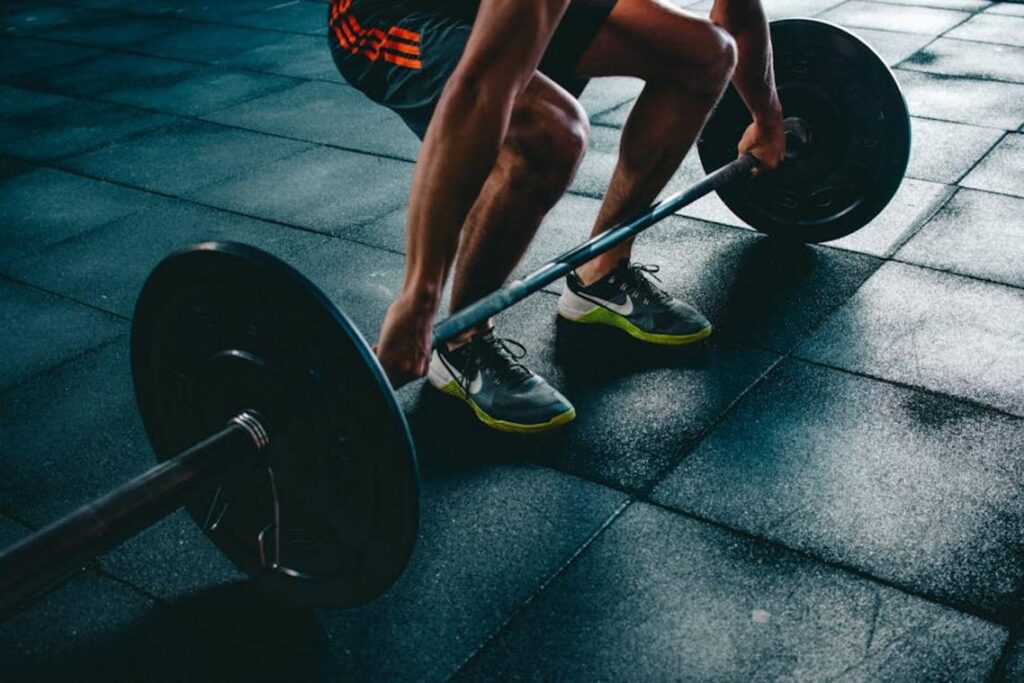
What Are Compound Exercises and Why Are They Superior?
First, let’s define the terms. Compound exercises are multi-joint movements that work several muscle groups at once (think squats or push-ups). Isolation exercises, on the other hand, target a single joint and muscle—like bicep curls or leg extensions.
So why do compound lifts win? For starters, they recruit more muscle fibers simultaneously, which means greater strength gains and higher calorie burn in less time (American Council on Exercise). In fact, research shows multi-joint movements elevate energy expenditure more than single-joint work (Journal of Strength and Conditioning Research).
Even more compelling, heavy compound lifts stimulate higher levels of anabolic hormones like testosterone and growth hormone, both linked to muscle growth (Sports Medicine).
Here’s how to apply this:
- Start workouts with squats, deadlifts, bench presses, or rows.
- Use isolation moves only after compounds.
- Focus on progressive overload—add small weight weekly.
Because these movements mimic real-life actions—lifting groceries, pushing doors—they build functional strength and reduce injury risk (NSCA).
In short, train smarter, not longer (your future self will thank you).
The Pillars of Power: Squat, Bench Press, and Deadlift

When people argue about the best compound exercises list, three lifts always dominate the conversation: squat, bench press, and deadlift. Are there other great movements? Of course. But these three are the Avengers of strength training (each powerful alone, unstoppable together).
Some critics say machines are safer or more “targeted.” They’re not wrong about isolation. But if your goal is total-body strength, coordination, and raw power, compound barbell lifts win—every time (yes, even if they humble you at first).
1. Barbell Squat (The King of Lifts)
Targets the quads, hamstrings, glutes, and core. The squat builds lower-body power and athletic stability better than almost anything else. Key cues: “chest up” and “break at the hips” (initiate by pushing hips back before bending knees).
Squat vs. Leg Press?
Leg presses remove balance demands. Squats demand full-body tension and core engagement. If you want transferable strength—think sprinting or jumping—squats dominate.
2. Bench Press (Upper Body Push Standard)
Works the pectorals (chest), anterior deltoids (front shoulders), and triceps. Retract your shoulder blades—pull them down and back—to create a stable pressing base.
Bench Press vs. Push-Ups?
Push-ups build endurance and control. Bench presses allow progressive overload (gradually increasing weight), which research shows is essential for strength gains (ACSM guidelines).
3. Deadlift (The Ultimate Strength Test)
Engages the posterior chain—hamstrings, glutes, spinal erectors—plus quads and grip. Maintain a neutral spine (natural back alignment) throughout.
Deadlift vs. Squat?
Squats emphasize knee flexion. Deadlifts hinge at the hips, hammering the posterior chain harder. For full-body strength, deadlifts are unmatched (NSCA).
If you could only choose one, debates would rage forever. But together? They build balanced, undeniable strength.
Forging a Strong Foundation: More Key Compound Movements
Lunges (and Variations)
Lunges are a unilateral exercise—meaning you train one side of the body at a time. This matters because research shows unilateral work can improve balance and reduce strength imbalances linked to injury risk (Journal of Strength and Conditioning Research, 2019).
Dumbbell lunges challenge coordination and grip. Barbell lunges allow heavier loading (pro tip: keep the bar centered over your midfoot to protect your lower back). Walking lunges add a dynamic element, recruiting stabilizing muscles in the hips and core. In real life, every step you take is essentially a controlled lunge—so getting strong here pays off.
Dips
Dips are a bodyweight staple for the chest, shoulders, and triceps. A forward lean with flared elbows shifts emphasis to the chest. Staying upright with elbows tucked targets the triceps more directly. EMG studies show significant triceps activation comparable to close-grip bench press (ACE Fitness data). (Yes, they’re humbling at first. That’s the point.)
Kettlebell Swings
Kettlebell swings train explosive hip extension—the same power pattern used in sprinting and jumping. The posterior chain (glutes, hamstrings, lower back) drives the movement. Research published in the Journal of Human Kinetics found swings significantly improve power output and cardiovascular capacity.
They’re a cornerstone in any best compound exercises list because they blend strength and conditioning seamlessly—think strength training meets cardio, without the treadmill monotony.
 Founder & CEO
Zyvaris Vasslor founded ZayePro with a mission to empower individuals through health innovation and holistic wellness. He combines deep expertise in fitness foundations and mobility optimization with a passion for actionable daily workout strategies. Zyvaris has spent years researching emerging trends in wellness technology. His leadership emphasizes evidence-based practices and personalized approaches. He is committed to creating accessible resources for people seeking a healthier lifestyle.
Founder & CEO
Zyvaris Vasslor founded ZayePro with a mission to empower individuals through health innovation and holistic wellness. He combines deep expertise in fitness foundations and mobility optimization with a passion for actionable daily workout strategies. Zyvaris has spent years researching emerging trends in wellness technology. His leadership emphasizes evidence-based practices and personalized approaches. He is committed to creating accessible resources for people seeking a healthier lifestyle.