
Feeling overwhelmed by stress, like meditation is just another chore? You’re not alone. Many folks think it’s too hard or not for them.
But I’m here to tell you it doesn’t have to be that way. This article is your simple guide to meditation techniques beginners can actually use. We’re cutting through the noise, offering straightforward, step-by-step instructions.
No special gear, no guru-level experience needed.
Why trust this guide? These methods are selected with modern, busy lives in mind. From a complete wellness perspective, they’re practical and applicable.
By the end of this, you’ll have at least one technique to try right away. Find your moment of calm, starting today. It’s easier than you think.
Ready to dive in? Let’s get started.
Why Most Give Up on Meditation (And How You’ll Win)
Most beginners quit meditation because they think it means clearing their minds completely. Who came up with that impossible goal? It’s like trying to empty the ocean with a spoon.
Meditation isn’t about stopping thoughts. It’s about noticing them. You see a thought, you let it float by, and then you gently bring your focus back.
Think of it like building a mental muscle. Focus is a skill you develop over time with short, consistent practice. Ever tried to lift weights?
It’s the same idea. You don’t start with the heaviest dumbbells. You begin with something manageable.
It’s the same with meditation techniques beginners should try. Start small, like five minutes a day.
Here’s where you get the edge: realistic expectations. Many quit after a few tries because they expect instant peace. Ridiculous, right?
Understand that it’s a gradual process. This mindset helps you keep at it, even when it feels pointless.
For those wanting to dive deeper, check out mindfulness practices for daily balance. Setting realistic goals from the start gives you a better shot at success. So, why not give it a go?
You might just surprise yourself.
Mindful Breathing: Your 3-Minute Meditation Foundation
Mindful breathing. Sounds simple, doesn’t it? Yet, it’s the cornerstone of all meditation techniques beginners can rely on.
Three minutes, anywhere, anytime. Imagine the power you hold in your breath! No fancy equipment needed.
First, find a comfortable seated position (a chair or cushion works). Keep your spine straight (no need to turn into a yoga pretzel). Next, set a timer for three minutes.
Close your eyes. Feel the air entering your nostrils. Notice the rise and fall of your chest.
It’s not about stopping thoughts but knowing they’re there and letting them be.
Your mind will wander. I promise it will. That’s okay.
Gently guide your focus back to the breath. Don’t criticize yourself (that’s a meditation death trap). When the timer rings, open your eyes slowly.
How do you feel? Does the world seem a bit calmer?
Common questions pop up. What if there’s an itch? Scratch it and come back.
If you hear a loud noise, acknowledge it and return to the breath like pressing reset on your laptop.
Here’s a pro tip: Use this three-minute technique before jumping into other meditation practices. It’s like warming up the engine before a long drive. Even experienced meditators rely on this basic practice to center themselves.
Meditation isn’t about achieving enlightenment in one sitting. It’s about taking that small step consistently. The rewards?
They’re subtle but life-changing. Keep your focus on the breath and see where it leads you.
The Body Scan: For When You Can’t Sit Still
Ever tried meditating only to find yourself twitching like a caffeinated squirrel? You’re not alone. The Body Scan is a method that works wonders for those who can’t sit still.
It’s a meditation technique for beginners that grounds your mind by focusing on physical sensations. Why’s that important? Because it helps release tension you didn’t even know you were carrying.
Think about it. You might be holding stress in your shoulders or neck, oblivious to it until you pay attention. The Body Scan connects your mind to your body in a real, tangible way.
Let’s get into how you do it.
First, lie down on your back with your arms at your sides. You’re not going anywhere, so get comfy. Start by bringing your attention to the toes on your left foot.
Notice any sensations like warmth or tingling without judging them (it’s harder than it sounds, believe me). Slowly move your awareness up your left leg: foot, ankle, calf, knee, thigh.
Then, repeat the process for your right leg. Move attention to your torso, arms, hands, neck, and finally, your face. Simple, right?
Not quite. But it’s solid. Spend a moment feeling your whole body as one complete sensation.
The key is to start with just 5-10 minutes.
It’s like slowly tuning an instrument until it’s perfectly in sync. And hey, if you’re interested in integrating this with other practices, check out how integrating yoga into wellness routine can boost this experience. Yoga and Body Scan together?
Game-changer.
So, next time you’re feeling restless, give the Body Scan a try. It might just be the grounding technique you’ve been searching for.
Walking Meditation: Integrate Calm into Your Day
Walking meditation isn’t just for monks or those with hours to spare. It’s a practical method for busy people. You know the drill (life) gets hectic.
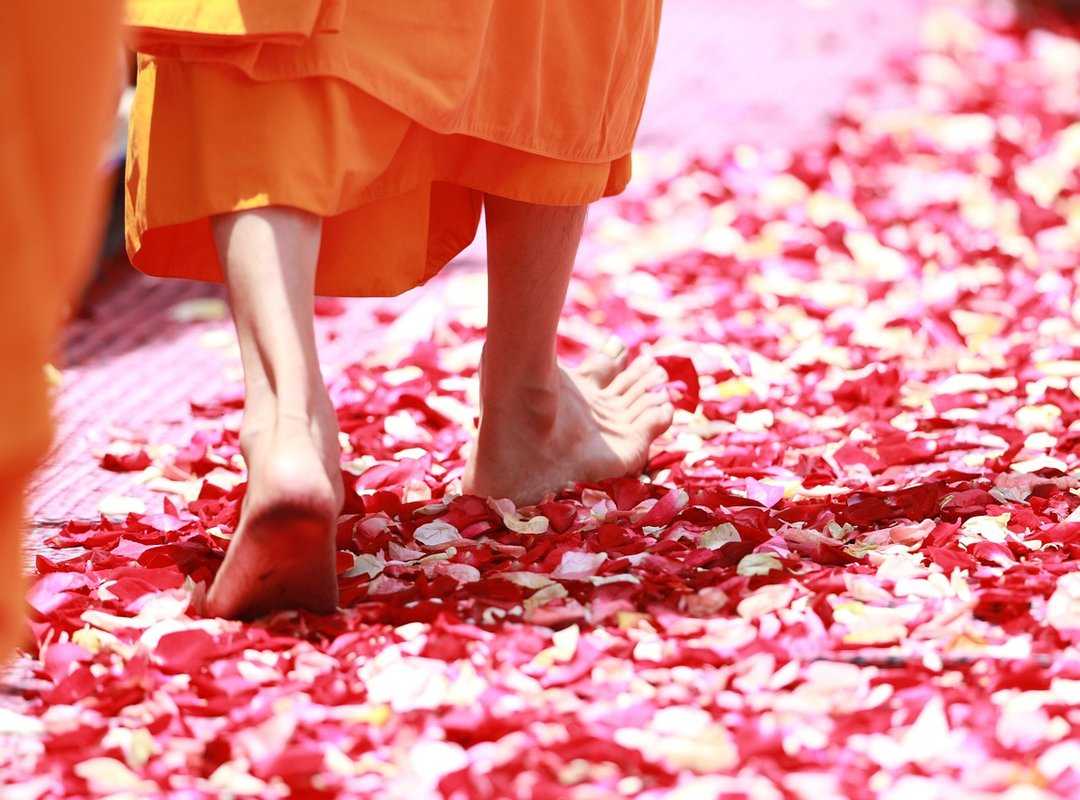
Yet, even a short stroll can transform your day.
Doesn’t it sound appealing to turn a mundane walk (from car to office) into a mini meditation? It’s not about the destination but the process. Here’s how: Start walking at a natural pace.
Slow it down a notch. Feel your feet (the) heel, ball, toes (as) they meet the ground. Notice how your legs move, the gentle swing of your arms.
And bam! Your mind’s on that never-ending to-do list. Happens to me all the time.
You don’t need a Zen garden. Any safe walking space will do. Parking lot, sidewalk, hallway.
The trick? Gently guide your focus back to your feet. Feel every step.
It’s all fair game.
Mindfulness sounds intimidating for beginners (trust me, I’ve been there). But this is one of those meditation techniques beginners can actually stick with. It’s about breaking away from the chaos, even briefly.
The calm you create can ripple through the rest of your day.
I remember trying this when I felt overwhelmed with work. Just a few mindful steps, and I could focus better afterward. It’s simple yet effective.
Pro tip: Leave your phone in your pocket. Let the world carry on without you for those precious minutes.
If you’re looking to integrate calm into your day, walking meditation might just be your ticket. Why not start today?
Build Habits That Stick: Your Action Plan
Ever try to meditate for 30 minutes, only to give up because it’s too much? Start with just three minutes a day. It’s more effective than doing a long session once a week.
Trust me, consistency is key.
If you want meditation techniques beginners can actually stick with, try habit stacking. It’s simple. Just add meditation to something you already do, like brushing your teeth.
This way, it becomes as natural as your morning routine.
Timing matters too. Pick a consistent time and place. This limits decision fatigue.
You know when you’re sitting down, what you’re doing, and where. That’s half the battle won.
And don’t stress about doing it perfectly. The goal is to show up and try. No one is grading your performance.
Pro tip: Be patient with yourself. What’s the point of meditating if it adds stress? Just breathe and let it be imperfect.
Start Your Calm Journey Today
Feeling like meditation is too complex or your mind’s too busy? You’re not alone. But here’s the truth: you don’t need a blank mind.
You just need gentle awareness. And that’s what the meditation techniques beginners crave offer. You’ve got simple, actionable methods at your fingertips.
Pick one. Try it for just three minutes today. It’s the first step to a calmer mind.
No need for perfection, just start. It’s not about getting it right, it’s about getting started. Call it a win.
Ready to feel that calm? Dive in and see for yourself.
 There is a specific skill involved in explaining something clearly — one that is completely separate from actually knowing the subject. Martine Mendenhalleys has both. They has spent years working with holistic wellness strategies in a hands-on capacity, and an equal amount of time figuring out how to translate that experience into writing that people with different backgrounds can actually absorb and use.
Martine tends to approach complex subjects — Holistic Wellness Strategies, Health Innovation Alerts, Pro Insights being good examples — by starting with what the reader already knows, then building outward from there rather than dropping them in the deep end. It sounds like a small thing. In practice it makes a significant difference in whether someone finishes the article or abandons it halfway through. They is also good at knowing when to stop — a surprisingly underrated skill. Some writers bury useful information under so many caveats and qualifications that the point disappears. Martine knows where the point is and gets there without too many detours.
The practical effect of all this is that people who read Martine's work tend to come away actually capable of doing something with it. Not just vaguely informed — actually capable. For a writer working in holistic wellness strategies, that is probably the best possible outcome, and it's the standard Martine holds they's own work to.
There is a specific skill involved in explaining something clearly — one that is completely separate from actually knowing the subject. Martine Mendenhalleys has both. They has spent years working with holistic wellness strategies in a hands-on capacity, and an equal amount of time figuring out how to translate that experience into writing that people with different backgrounds can actually absorb and use.
Martine tends to approach complex subjects — Holistic Wellness Strategies, Health Innovation Alerts, Pro Insights being good examples — by starting with what the reader already knows, then building outward from there rather than dropping them in the deep end. It sounds like a small thing. In practice it makes a significant difference in whether someone finishes the article or abandons it halfway through. They is also good at knowing when to stop — a surprisingly underrated skill. Some writers bury useful information under so many caveats and qualifications that the point disappears. Martine knows where the point is and gets there without too many detours.
The practical effect of all this is that people who read Martine's work tend to come away actually capable of doing something with it. Not just vaguely informed — actually capable. For a writer working in holistic wellness strategies, that is probably the best possible outcome, and it's the standard Martine holds they's own work to.