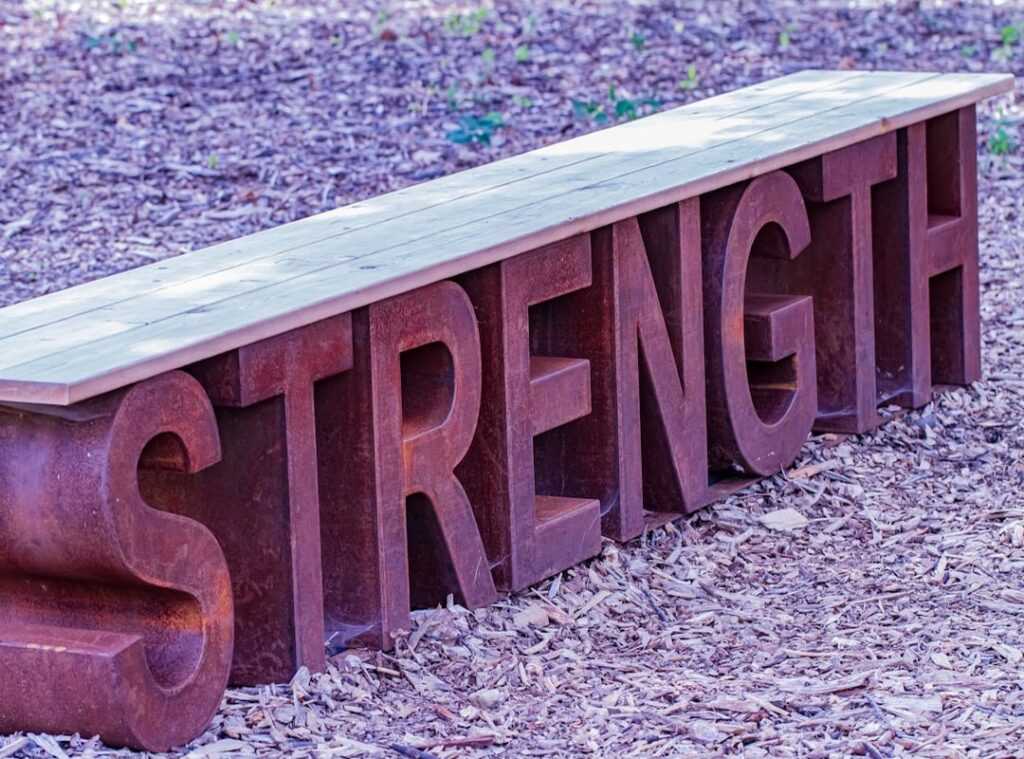

Physical Foundations: Using Movement as a Primary Stress Regulator
For years, I thought stress was a mindset problem. Read more. Meditate harder. Power through. I ignored the body.
That was the mistake.
Stress isn’t just mental chatter. It’s a biochemical event—your body releases cortisol (a primary stress hormone) and adrenaline to prepare for action (American Psychological Association). If you don’t move, those chemicals linger.
High-Intensity Exercise for Immediate Release
Activities like HIIT (high-intensity interval training) or sprint intervals help metabolize—meaning break down and use—excess stress hormones. They also trigger endorphins, your brain’s natural painkillers (Harvard Health).
Sample 15-minute reset:
- 30 seconds jump squats
- 30 seconds push-ups
- 30 seconds mountain climbers
- 30 seconds rest
Repeat 4 rounds.
It’s fast. It’s sweaty. It works. (Think less “zen retreat,” more Rocky training montage.)
Some argue intense exercise raises cortisol further. True—temporarily. But short bursts followed by recovery improve resilience over time. Chronic sitting is the bigger threat.
Restorative Movement for Nervous System Calm
On the flip side, restorative practices activate the parasympathetic nervous system—your “rest and digest” mode. Yoga, tai chi, or a 20-minute walk in nature can lower cortisol levels (Mayo Clinic).
I used to dismiss walking as “not real exercise.” That was ego talking. Slow movement often works better for long-term regulation.
Pair this with the role of sleep optimization in total wellbeing for deeper recovery.
Mobility and Stretching to Release Stored Tension
Stress hides in the body (neck, shoulders, hips—every time).
Try:
- Upper trapezius neck stretch
- Doorway chest opener
- Seated spinal twist
- Hip flexor lunge stretch
- Child’s pose
Consistency beats intensity. STRESS DEMANDS MOVEMENT. Smart movement becomes one of the most reliable stress management techniques for health.
Lifestyle Optimization: Building a Stress-Resilient Foundation

Stress isn’t just “in your head.” It’s a full-body response—and your daily habits either fuel it or buffer it.
Prioritizing Sleep Hygiene
Sleep hygiene refers to behaviors that support consistent, restorative sleep. Stress and sleep have a bidirectional relationship: stress disrupts sleep, and poor sleep amplifies stress hormones like cortisol (American Psychological Association).
Action steps:
- Keep a consistent sleep and wake time—even on weekends
- Create a screen-free wind-down routine 30–60 minutes before bed
- Keep your room cool, dark, and quiet
If you’re wondering what’s next, start tracking your sleep for a week. Patterns reveal more than guesswork (pro tip: consistency beats perfection).
Nutritional Strategies to Combat Stress
A balanced diet stabilizes mood and energy. Magnesium (leafy greens), omega-3s (salmon, flaxseeds), and B vitamins (eggs, legumes) support nervous system regulation (Harvard Health Publishing). Limit caffeine and processed sugar—they spike energy, then crash it (hello, irritability).
Think of food as fuel, not just flavor (though both matter).
Strategic Time Management
Overwhelm often comes from decision fatigue. Try time blocking—assigning tasks to set windows—or the Pomodoro Technique (25 minutes focused work, 5-minute break). Structured focus is one of the most practical stress management techniques for health.
Next step? Audit tomorrow’s schedule tonight. Control the calendar before it controls you.
By incorporating effective stress management techniques into your daily routine, you not only enhance your mental well-being but also lay the groundwork for a healthier lifestyle, which is further supported by understanding the principles outlined in our article on The Science Behind Building a Strong Fitness Foundation.
Your Path to Lasting Well-Being
You came here looking for real, practical ways to take control of stress—and now you have them. With a diverse toolkit of physical, mental, and lifestyle strategies, you’re equipped with proven stress management techniques for health that fit into real life.
Stress may be inevitable, but living in a constant state of overwhelm doesn’t have to be. When left unchecked, it drains your energy, disrupts sleep, and impacts your long-term well-being.
The good news? These solutions work. By consistently integrating movement, mindfulness, and supportive daily habits, you strengthen your resilience and protect your health.
Start today. Take a 10-minute walk, try one breathing exercise, or do a simple stretch. Small, consistent actions are how you reclaim your well-being—begin now.
 James Rossmarindez writes the kind of holistic wellness strategies content that people actually send to each other. Not because it's flashy or controversial, but because it's the sort of thing where you read it and immediately think of three people who need to see it. James has a talent for identifying the questions that a lot of people have but haven't quite figured out how to articulate yet — and then answering them properly.
They covers a lot of ground: Holistic Wellness Strategies, Pro Insights, Health Innovation Alerts, and plenty of adjacent territory that doesn't always get treated with the same seriousness. The consistency across all of it is a certain kind of respect for the reader. James doesn't assume people are stupid, and they doesn't assume they know everything either. They writes for someone who is genuinely trying to figure something out — because that's usually who's actually reading. That assumption shapes everything from how they structures an explanation to how much background they includes before getting to the point.
Beyond the practical stuff, there's something in James's writing that reflects a real investment in the subject — not performed enthusiasm, but the kind of sustained interest that produces insight over time. They has been paying attention to holistic wellness strategies long enough that they notices things a more casual observer would miss. That depth shows up in the work in ways that are hard to fake.
James Rossmarindez writes the kind of holistic wellness strategies content that people actually send to each other. Not because it's flashy or controversial, but because it's the sort of thing where you read it and immediately think of three people who need to see it. James has a talent for identifying the questions that a lot of people have but haven't quite figured out how to articulate yet — and then answering them properly.
They covers a lot of ground: Holistic Wellness Strategies, Pro Insights, Health Innovation Alerts, and plenty of adjacent territory that doesn't always get treated with the same seriousness. The consistency across all of it is a certain kind of respect for the reader. James doesn't assume people are stupid, and they doesn't assume they know everything either. They writes for someone who is genuinely trying to figure something out — because that's usually who's actually reading. That assumption shapes everything from how they structures an explanation to how much background they includes before getting to the point.
Beyond the practical stuff, there's something in James's writing that reflects a real investment in the subject — not performed enthusiasm, but the kind of sustained interest that produces insight over time. They has been paying attention to holistic wellness strategies long enough that they notices things a more casual observer would miss. That depth shows up in the work in ways that are hard to fake.