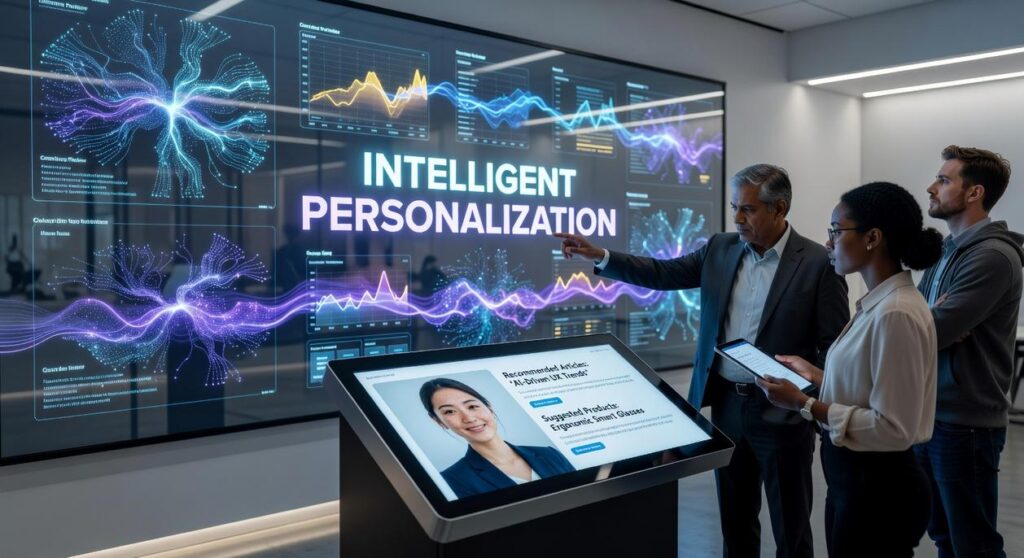

The Transformative Benefits for Long-Term Condition Management
Managing a long-term condition can feel like a full-time job. However, today’s digital tools are reshaping what that job looks like—and making it far more manageable.
Unmatched Accessibility and Convenience
First and foremost, accessibility changes everything. Instead of traveling long distances for specialist appointments, you can now access expert advice, virtual support groups, and symptom trackers from home. For someone with limited mobility—or even just a packed schedule—that’s not a small perk; it’s a lifeline. In fact, telehealth adoption surged globally after 2020, with many providers reporting sustained use due to patient demand (McKinsey & Company, 2022). Convenience, it turns out, isn’t laziness—it’s sustainability.
Fostering Empowerment and Self-Efficacy
At the same time, these tools help you understand your body’s signals. Self-efficacy—the belief in your ability to manage your health—improves when you can see patterns in sleep, symptoms, or activity. Instead of guessing why you feel off, you have data-backed clues. (It’s like switching from a blurry photo to HD.)
Continuous Insight Through Data
Moreover, real-time tracking moves care beyond memory-based reporting. Logging symptoms, biometrics, and activity levels creates a reliable health record. This is where digital therapeutics for chronic disease step in, offering structured, evidence-based interventions alongside tracking. The CDC notes that consistent self-monitoring improves outcomes in conditions like diabetes and hypertension (CDC, 2023).
Pro tip: Track at the same time daily to spot trends faster.
Enhanced Communication with Healthcare Providers
Finally, sharing accurate logs with your doctor transforms appointments. Instead of “I think I felt worse last week,” you can point to precise data. As a result, treatment adjustments become more personalized—and far more productive.
Exploring the Most Effective Digital Interventions
I remember the first time I used a virtual consultation instead of driving across town for a 15-minute appointment. I was skeptical (aren’t we all at first?). But within minutes, I realized this wasn’t “just a video call.”
Telehealth and Virtual Consultations
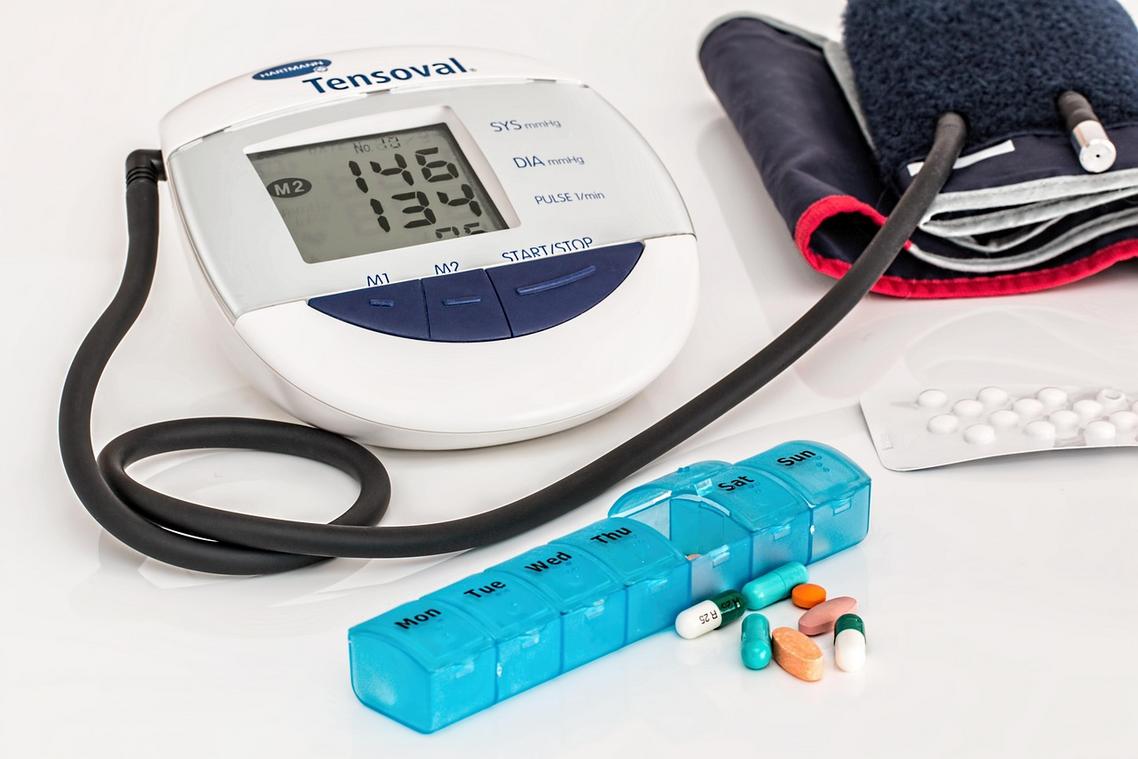
Telehealth refers to delivering healthcare services remotely using digital communication tools. That includes remote patient monitoring—where devices track metrics like blood glucose or blood pressure in real time and send them to clinicians. For someone managing diabetes or hypertension, this can mean fewer emergencies and faster medication adjustments (CDC notes consistent monitoring improves chronic disease outcomes).
Virtual physical therapy is another game-changer. Guided mobility sessions over video help patients recover from injuries without skipping exercises. And quick follow-ups save hours of travel. Some argue in-person care is always superior. In certain cases, yes. But for routine management and mobility optimization, virtual care often increases consistency—which is what truly drives results.
Mobile Health (mHealth) Apps
Think of mHealth apps as your pocket-sized health partner. These are mobile applications designed to support medical care or wellness goals. I once relied on a medication reminder app after a minor surgery; without it, I would’ve missed doses (and probably slowed recovery).
Today’s apps go further. They offer symptom journaling to track flare-ups, guided workouts tailored to specific conditions, and nutrition tracking aligned with broader wellness plans. Research from the World Health Organization highlights how digital self-management tools improve adherence and patient engagement.
Critics argue apps create data overload. That can happen (no one needs 17 push notifications before breakfast). But when used intentionally, apps support digital therapeutics for chronic disease by reinforcing daily habits between appointments. Pro tip: choose one or two apps that integrate with your existing routine instead of stacking multiple platforms.
For a broader look at where this is headed, explore the top health technology trends transforming patient care in 2026.
Online Support Communities and Peer Networks
Chronic illness can feel isolating in ways friends and family may not fully grasp. Online support communities change that. These platforms connect individuals facing similar conditions, offering emotional support and practical advice.
I once joined a mobility-focused forum after a lingering knee injury. Within days, members shared stretching routines and mindset tips that no brochure ever mentioned. That’s the power of shared experience.
Some worry online advice may replace medical guidance. It shouldn’t. Instead, these spaces complement professional care by fostering accountability and encouragement. Studies published in the Journal of Medical Internet Research show peer networks can improve self-efficacy and coping skills.
Sometimes, knowing someone else truly understands makes all the difference (like finding your team in a season you didn’t choose).
Your Path to a More Connected and Controlled Health Journey
Managing a long-term condition can feel overwhelming. The appointments, the tracking, the constant adjustments—it’s a daily responsibility that doesn’t take breaks. But now, you have a clearer understanding of how internet-based tools are reshaping chronic care.
The daily challenge of managing a chronic illness no longer has to be a journey you walk alone or in the dark. With digital therapeutics for chronic disease, you gain structured guidance, real-time feedback, and meaningful data that help you and your provider make smarter decisions.
Technology becomes your ally. From wellness apps to telehealth check-ins, support and insight are right at your fingertips—when you need them most.
You came here looking for a better way to take control of your health. Now you know it’s possible.
Here’s your next step: choose one tool mentioned—whether it’s a wellness app or a telehealth conversation—and bring it up with your healthcare provider this week. Start small, but start now.
Relief begins with one informed action. Take it today.
 Founder & CEO
Zyvaris Vasslor founded ZayePro with a mission to empower individuals through health innovation and holistic wellness. He combines deep expertise in fitness foundations and mobility optimization with a passion for actionable daily workout strategies. Zyvaris has spent years researching emerging trends in wellness technology. His leadership emphasizes evidence-based practices and personalized approaches. He is committed to creating accessible resources for people seeking a healthier lifestyle.
Founder & CEO
Zyvaris Vasslor founded ZayePro with a mission to empower individuals through health innovation and holistic wellness. He combines deep expertise in fitness foundations and mobility optimization with a passion for actionable daily workout strategies. Zyvaris has spent years researching emerging trends in wellness technology. His leadership emphasizes evidence-based practices and personalized approaches. He is committed to creating accessible resources for people seeking a healthier lifestyle.