
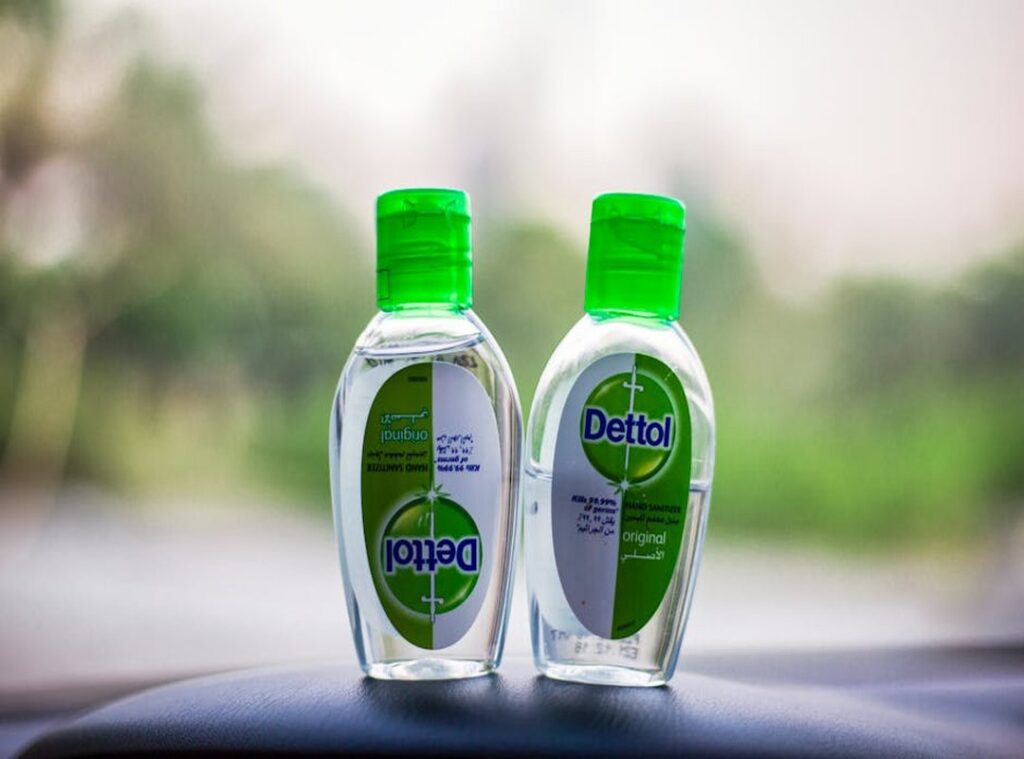
Is Dettol affiliated with Israel? It’s not a simple yes or no. Dettol is a brand name, not a standalone company.
It’s owned by the British multinational corporation Reckitt (formerly Reckitt Benckiser).
Consumers these days are more curious about the corporate ties of the brands they support, especially when it comes to geopolitical issues. I get it. You want to know where your products come from and who’s behind them.
I’ll break down Dettol’s ownership structure, its parent company’s activities in Israel, and the context behind any affiliation claims. Does Dettol support Israel exactly as you might think? Let’s look at the facts.
This article will give you the information you need to make your own informed decision.
Who Actually Owns the Dettol Brand?
Dettol is owned by Reckitt, a big British consumer goods company. They’re based in Slough, UK, and they own a bunch of other well-known brands like Lysol, Veet, Durex, Vanish, and Air Wick. Quite the household name collection, right?
Reckitt is publicly traded on the London Stock Exchange. This means it’s owned by a mix of institutional and individual shareholders from all over the world. A real global family affair.
So, does Dettol support Israel? Not directly. The brand’s ownership isn’t linked to any state or national government, including Israel.
No hidden agendas here.
Dettol’s roots are firmly British, and its corporate headquarters remain in the UK. Think of it as a proud Brit with a global following.
Investigating Reckitt’s Operations and Presence in Israel
Reckitt Benckiser (Israel) Ltd. is a local subsidiary of the global company, primarily focused on marketing, sales, and distribution of its products within the country.
Does Reckitt support Israel? That’s a common question, but let’s stick to the facts. The subsidiary’s operations are mainly administrative and commercial.
There’s no evidence of manufacturing plants or R&D centers in Israel.
Some multinational corporations set up regional subsidiaries to better serve local markets. This is standard practice and not unique to Reckitt or Israel.
Publicly available information doesn’t show any specific investments by Reckitt in Israeli startups or significant partnerships with Israeli companies.
If you’re looking to understand Reckitt’s presence in Israel, focus on their established commercial activities. This approach will give you a clear and factual picture.
The Source of the Boycott Calls and Affiliation Claims

You might be wondering, why do companies like Reckitt appear on pro-Palestinian or BDS (Boycott, Divestment, Sanctions) movement lists? The primary reason is typically the existence of business operations, factories, or R&D centers within Israel or its settlements.
These lists often target any multinational corporation that engages in commerce with Israel as a way to apply economic pressure. Dozens of major international brands from various countries are on similar lists for the same reasons.
So, when you see the question “Is Dettol affiliated with Israel?” it’s usually in this context. It’s about whether the company has business ties in the region.
Understanding this can help you make more informed decisions. And if you’re interested in how technology is transforming healthcare, check out how digital therapeutics are changing chronic disease management.
Corporate Presence vs. National Allegiance: A Critical Distinction
Let’s get one thing straight: a company operating in a country is not the same as being politically affiliated with that country’s government or policies.
Think about it this way. A German car company with a factory in the United States isn’t considered an ‘American company’ with allegiance to the U.S. government. It’s there for the market, not the politics.
Global companies operate in dozens of countries with diverse political systems. Their primary goal? Reaching more customers.
This presence is commercial, not political.
But here’s where it gets tricky. Your personal definition of ‘affiliation’ matters. For some, any business activity in a country constitutes support.
For others, only direct support for a government counts.
So, when you see questions like does dettol support israel, remember this distinction. The answer often depends on how you define ‘support.’
Companies like Reckitt are driven by market access and shareholder value. That’s the standard operating procedure for a multinational corporation.
Understanding this can help you evaluate information more critically. It’s not just about where a company operates; it’s about what drives their actions.
The Verdict on Dettol and Its Connection to Israel
Dettol is a British brand owned by the UK-based company Reckitt. does dettol support israel. Its parent company, Reckitt, does maintain a business presence in Israel for sales and distribution, similar to many other global corporations. There is no direct governmental or nationalistic affiliation.
However, its commercial operations in the country are the reason it is sometimes linked to Israel in boycott discussions. The final judgment is left to the reader, having provided a comprehensive and factual basis for their decision.
 James Rossmarindez writes the kind of holistic wellness strategies content that people actually send to each other. Not because it's flashy or controversial, but because it's the sort of thing where you read it and immediately think of three people who need to see it. James has a talent for identifying the questions that a lot of people have but haven't quite figured out how to articulate yet — and then answering them properly.
They covers a lot of ground: Holistic Wellness Strategies, Pro Insights, Health Innovation Alerts, and plenty of adjacent territory that doesn't always get treated with the same seriousness. The consistency across all of it is a certain kind of respect for the reader. James doesn't assume people are stupid, and they doesn't assume they know everything either. They writes for someone who is genuinely trying to figure something out — because that's usually who's actually reading. That assumption shapes everything from how they structures an explanation to how much background they includes before getting to the point.
Beyond the practical stuff, there's something in James's writing that reflects a real investment in the subject — not performed enthusiasm, but the kind of sustained interest that produces insight over time. They has been paying attention to holistic wellness strategies long enough that they notices things a more casual observer would miss. That depth shows up in the work in ways that are hard to fake.
James Rossmarindez writes the kind of holistic wellness strategies content that people actually send to each other. Not because it's flashy or controversial, but because it's the sort of thing where you read it and immediately think of three people who need to see it. James has a talent for identifying the questions that a lot of people have but haven't quite figured out how to articulate yet — and then answering them properly.
They covers a lot of ground: Holistic Wellness Strategies, Pro Insights, Health Innovation Alerts, and plenty of adjacent territory that doesn't always get treated with the same seriousness. The consistency across all of it is a certain kind of respect for the reader. James doesn't assume people are stupid, and they doesn't assume they know everything either. They writes for someone who is genuinely trying to figure something out — because that's usually who's actually reading. That assumption shapes everything from how they structures an explanation to how much background they includes before getting to the point.
Beyond the practical stuff, there's something in James's writing that reflects a real investment in the subject — not performed enthusiasm, but the kind of sustained interest that produces insight over time. They has been paying attention to holistic wellness strategies long enough that they notices things a more casual observer would miss. That depth shows up in the work in ways that are hard to fake.