

If you’ve been searching for clear, science-backed answers about gut brain connection health, you’re likely trying to understand how your digestion, mood, energy levels, and even focus are all connected. The research is evolving quickly, and it can be difficult to separate meaningful insights from wellness trends that overpromise and underdeliver.
This article is designed to give you practical, evidence-informed guidance on how the gut and brain communicate, why that relationship matters for your overall well-being, and what daily strategies can actually support better balance. We break down complex physiology into actionable steps you can apply immediately.
Our content is built on current clinical research, peer-reviewed studies, and insights from leading experts in nutrition, neuroscience, and functional health. The goal is simple: help you understand what truly supports gut and brain performance—so you can make informed decisions that strengthen both body and mind.
Your Second Brain: How Gut Health Dictates Your Mood and Mind
As you explore the vital link between gut health and mental clarity, don’t overlook how incorporating dynamic stretching into your routine can enhance both physical and mental performance, paving the way for a sharper mind and a healthier body – for more details, check out our Dynamic Stretching vs Static Stretching: When to Use Each.
A few years ago, I blamed my constant brain fog on stress. Coffee didn’t help. Sleep didn’t fix it. Then a nutritionist asked about my digestion—and everything clicked. What I learned next changed how I see health entirely.
Your gut isn’t just for digestion; it’s home to trillions of microbes (your microbiome, meaning the community of bacteria living inside you). Through the vagus nerve—a communication highway between gut and brain—it constantly sends signals affecting mood, focus, and energy. This gut brain connection health link is backed by research showing microbiome imbalances correlate with anxiety and depression (Harvard Health, 2023).
In other words, feeling “off” might start in your stomach.
The Two-Way Superhighway: Understanding the Gut-Brain Axis
The gut-brain axis is the bidirectional communication network linking your central nervous system (the brain and spinal cord) with the enteric nervous system, often called the “second brain” in your gut. Bidirectional simply means information flows both ways. Your brain talks to your gut, and your gut talks back (sometimes loudly, like before a big presentation).
Scientists have mapped much of this system, but not all of it. Some mechanisms remain debated, especially how deeply microbes influence mood and behavior. What’s clear is that the connection is real—and powerful.
Key Players in Communication
- The Vagus Nerve: Think of this as the body’s biological fiber‑optic cable. It carries signals about digestion, inflammation, and stress directly to the brain. About 80% of its fibers send information from the gut upward.
- Neurotransmitters: These are chemical messengers like serotonin and dopamine that regulate mood and motivation. Surprisingly, a large portion of serotonin is produced in the gut, influenced by resident bacteria.
- The Microbiome: Trillions of microbes help regulate inflammation, extract nutrients, and shape stress responses. When balanced, they support cognitive clarity; when disrupted, they may contribute to brain fog or low mood.
Researchers are still untangling cause and effect. Does poor gut health trigger anxiety, or does chronic stress disrupt the gut first? The answer may be both (a bit like the chicken‑and‑egg debate in a sci‑fi multiverse).
Understanding gut brain connection health means recognizing this constant dialogue—and supporting both ends of the conversation.
When Communication Breaks Down: Signs of Gut-Brain Imbalance
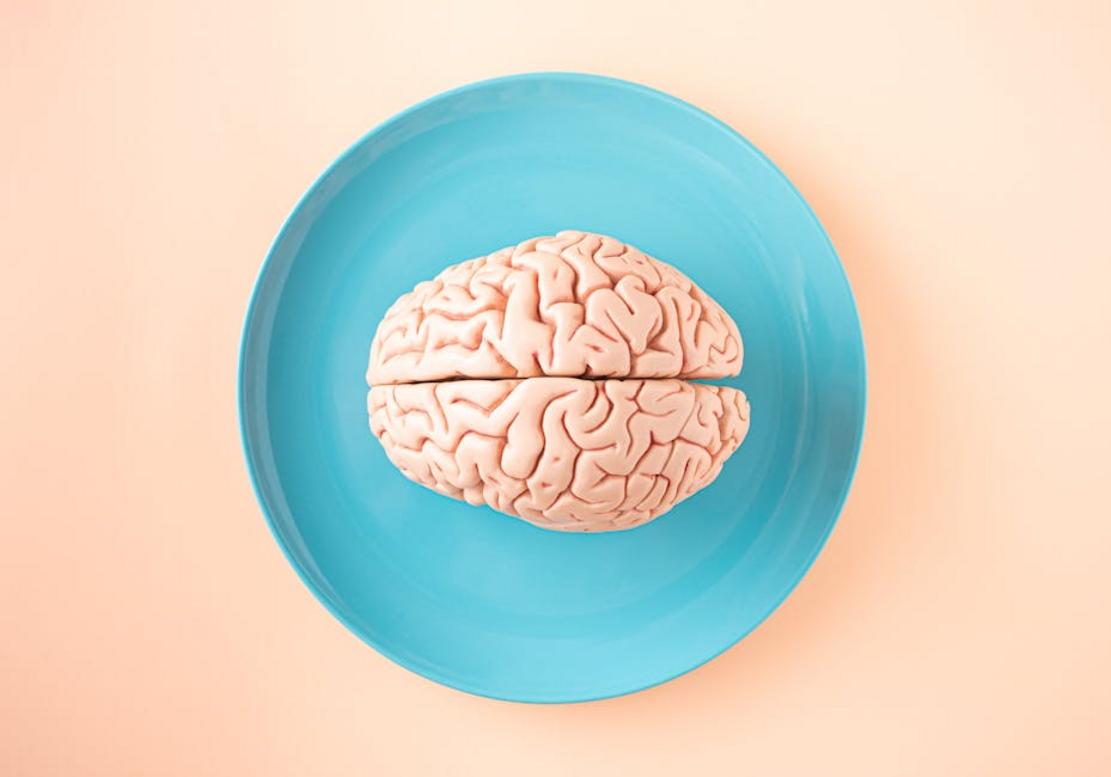
The gut and brain are in constant conversation through the gut-brain axis—a two-way signaling network linking your digestive tract and central nervous system. When gut dysbiosis (a microbial imbalance in the intestines) occurs, that communication can falter. Research shows microbial disruption can increase systemic inflammation and alter neurotransmitters like serotonin and GABA, both critical for mood regulation (National Institutes of Health). The result? Higher risks of anxiety, depression, and unpredictable mood swings. In fast-paced urban environments where high-stress lifestyles and ultra-processed diets dominate, clinicians are seeing this pattern more frequently.
Cognitive symptoms often appear next. Brain fog—defined as mental fatigue, poor focus, and slowed thinking—can stem from inflammatory compounds influencing the brain. Difficulty concentrating during long office hours or forgetting small tasks may not just be “stress.” Poor gut brain connection health can disrupt nutrient absorption, including B vitamins linked to memory and clarity (Harvard Health Publishing).
Physical manifestations complete the cycle. Stress hormones like cortisol can slow digestion, leading to bloating, cramping, and irregular bowel movements. That discomfort then heightens anxiety, creating a feedback loop (think of it as your body’s least productive group chat).
The Role of a Leaky Gut
“Leaky gut,” or intestinal permeability, occurs when the gut lining weakens, allowing inflammatory molecules to enter the bloodstream. These compounds can cross the blood-brain barrier and amplify neuroinflammation. Prioritizing recovery strategies, including sleep optimization techniques for physical and emotional balance, can help regulate stress responses and support microbial repair.
Actionable Strategies to Strengthen Your Gut-Brain Connection
Strengthening your gut-brain connection isn’t complicated—but it does require consistency. Think of it like tending a garden: feed it well, move it often, let it rest, and don’t drown it in stress.
Nourish Your Microbiome
First, focus on food. Your microbiome (the trillions of bacteria living in your digestive tract) thrives on variety.
Probiotic foods like yogurt, kefir, and kimchi contain live beneficial bacteria. These help replenish and balance your gut ecosystem. Meanwhile, prebiotic foods such as garlic, onions, bananas, and asparagus feed those good bacteria. In simple terms, probiotics add the workers; prebiotics feed them.
Equally important, fiber is fuel. Aim for diverse plant-based fibers from beans, oats, berries, leafy greens, and whole grains. Research shows higher fiber intake supports microbial diversity, which is linked to improved mood and cognitive function (Nature Reviews Gastroenterology & Hepatology, 2019). Pro tip: Add one new plant food to your meals each week to increase diversity without overwhelm.
The Power of Movement
Next, move daily. Moderate exercise—like a 30-minute walk or a 10-minute mobility routine—lowers cortisol (your primary stress hormone) and improves gut motility, meaning food moves efficiently through your system. Studies suggest regular exercise increases beneficial bacterial strains (Frontiers in Microbiology, 2018). Even light stretching after dinner counts.
Optimize Your Sleep
However, none of this works well without sleep. Poor sleep disrupts gut bacteria balance, while a healthy gut can support serotonin production, which influences sleep cycles. Set a consistent bedtime, limit screens 60 minutes before bed, and keep your room cool and dark.
Manage Stress Effectively
Finally, manage stress intentionally. Chronic cortisol spikes weaken the gut lining and disrupt digestion. Try box breathing (inhale 4 seconds, hold 4, exhale 4, hold 4) or a short bodyweight workout to reset your nervous system.
When practiced together, these habits meaningfully improve gut brain connection health.
Your gut does more than digest food; it shapes your focus, mood, and energy. Ever notice brain fog after a heavy meal? Or feel anxious when your stomach is off? That’s the gut brain connection health at work. When microbes (the trillions of bacteria living in your intestines) fall out of balance, signals to your brain can misfire.
So what can you do today?
- Add one fermented food like yogurt or kimchi
- Take a 15-minute walk after dinner
Small steps compound. Why not start now and feel the shift? Consistency builds resilience for both body and mind over time daily.
Take Control of Your Wellness From the Inside Out
You came here looking for clarity on how to strengthen your body, sharpen your mind, and build a routine that actually supports long-term health. Now you understand how movement, recovery, nutrition, and especially the gut brain connection health link together to influence your energy, focus, and overall performance.
The truth is, most people struggle with fatigue, brain fog, stubborn weight, or inconsistent workouts because they treat symptoms instead of the system. When your gut and brain aren’t aligned, progress feels slow and frustrating. But when you support that connection with smart training, intentional nutrition, and mobility-focused habits, everything works better — from digestion to mental clarity.
Now it’s time to act.
Start by upgrading one daily habit today: improve your fiber intake, prioritize restorative sleep, or add mobility work before your workouts. Small, consistent actions create powerful neurological and physical change.
If you’re ready to eliminate guesswork and follow proven, science-backed strategies trusted by thousands striving for stronger bodies and sharper minds, take the next step now. Explore our expert wellness insights and build a routine designed to optimize your performance from the inside out.
 There is a specific skill involved in explaining something clearly — one that is completely separate from actually knowing the subject. Martine Mendenhalleys has both. They has spent years working with holistic wellness strategies in a hands-on capacity, and an equal amount of time figuring out how to translate that experience into writing that people with different backgrounds can actually absorb and use.
Martine tends to approach complex subjects — Holistic Wellness Strategies, Health Innovation Alerts, Pro Insights being good examples — by starting with what the reader already knows, then building outward from there rather than dropping them in the deep end. It sounds like a small thing. In practice it makes a significant difference in whether someone finishes the article or abandons it halfway through. They is also good at knowing when to stop — a surprisingly underrated skill. Some writers bury useful information under so many caveats and qualifications that the point disappears. Martine knows where the point is and gets there without too many detours.
The practical effect of all this is that people who read Martine's work tend to come away actually capable of doing something with it. Not just vaguely informed — actually capable. For a writer working in holistic wellness strategies, that is probably the best possible outcome, and it's the standard Martine holds they's own work to.
There is a specific skill involved in explaining something clearly — one that is completely separate from actually knowing the subject. Martine Mendenhalleys has both. They has spent years working with holistic wellness strategies in a hands-on capacity, and an equal amount of time figuring out how to translate that experience into writing that people with different backgrounds can actually absorb and use.
Martine tends to approach complex subjects — Holistic Wellness Strategies, Health Innovation Alerts, Pro Insights being good examples — by starting with what the reader already knows, then building outward from there rather than dropping them in the deep end. It sounds like a small thing. In practice it makes a significant difference in whether someone finishes the article or abandons it halfway through. They is also good at knowing when to stop — a surprisingly underrated skill. Some writers bury useful information under so many caveats and qualifications that the point disappears. Martine knows where the point is and gets there without too many detours.
The practical effect of all this is that people who read Martine's work tend to come away actually capable of doing something with it. Not just vaguely informed — actually capable. For a writer working in holistic wellness strategies, that is probably the best possible outcome, and it's the standard Martine holds they's own work to.